The Yellow Wall of Resilience: A Deep Dive into CSK’s IPL 2026 Campaign
In the high-octane world of the Indian Premier League, success is often measured by silverware. For the Chennai Super Kings (CSK), a franchise with five trophies in the cabinet, anything less than a playoff spot is usually viewed as a failure. However, the 2026 season told a different story—one not of dominance, but of sheer, unadulterated defiance. It was a season where the “Men in Yellow” traded their usual aura of invincibility for a grit that perhaps defines the franchise more than any title ever could.
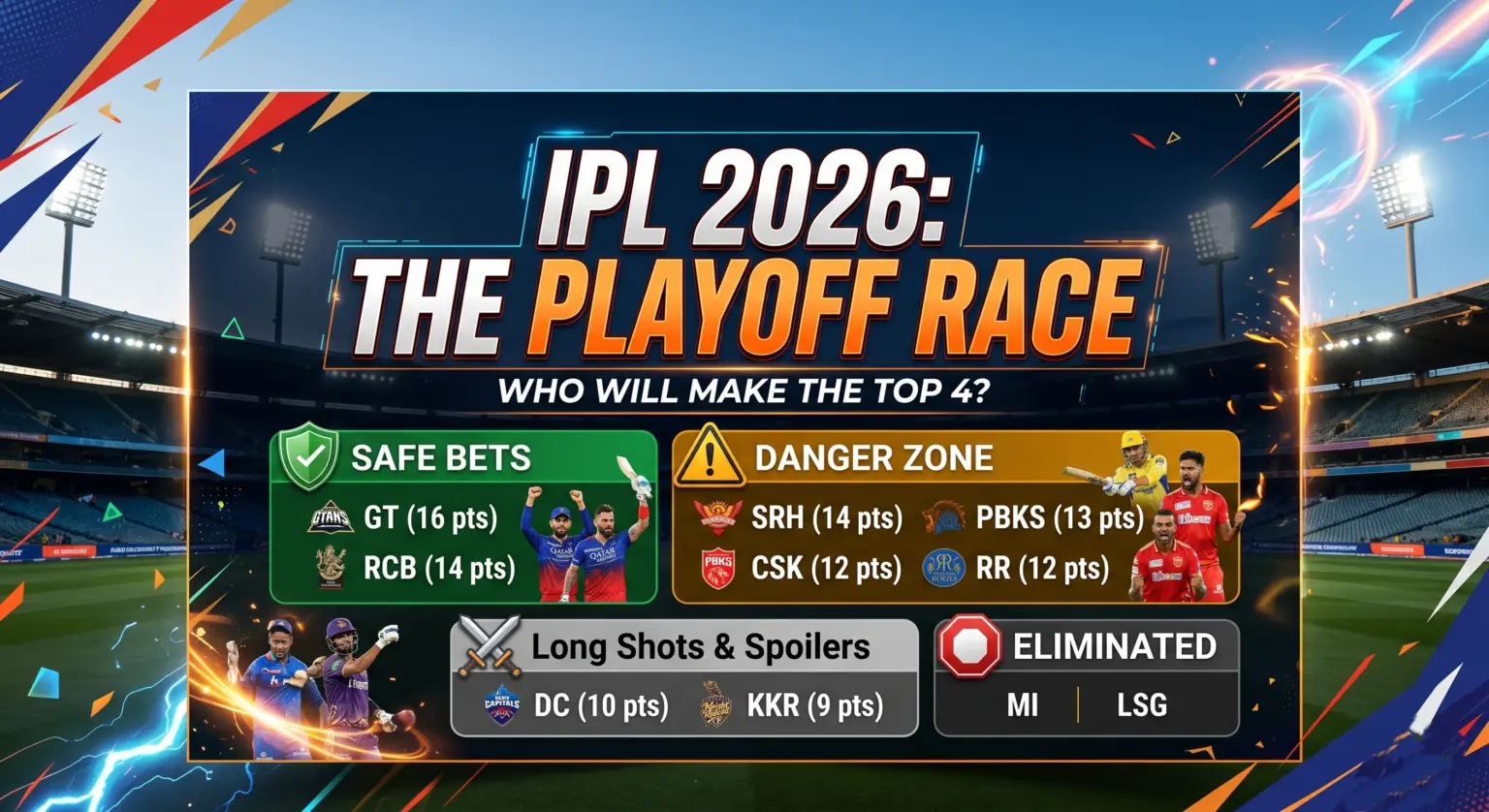
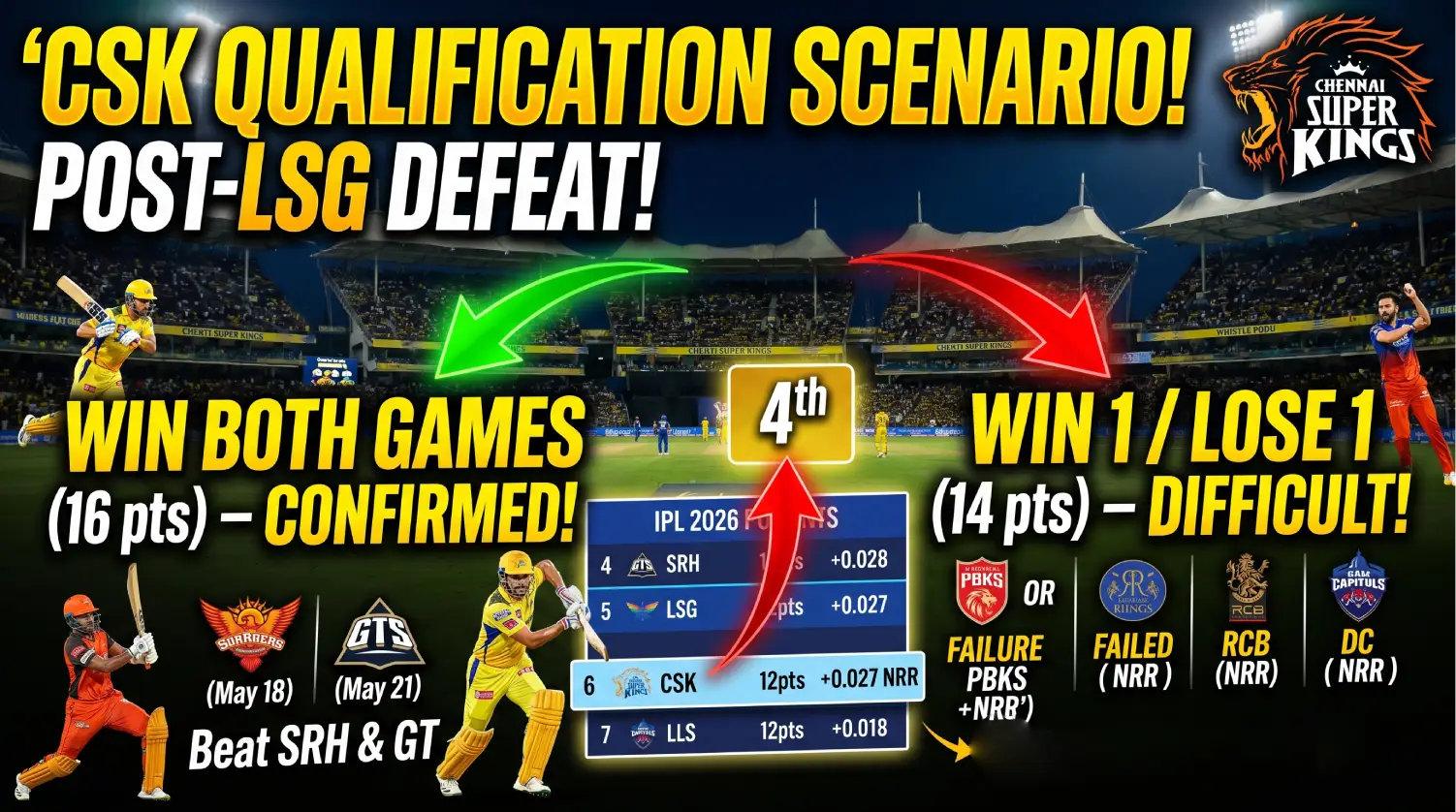
CSK finished their campaign just outside the top four, knocked out in their final league match in a heartbreaking defeat to Gujarat Titans. But to look at the points table is to miss the point entirely. This year, CSK wasn’t just playing against ten other teams; they were playing against a relentless tide of misfortune that threatened to sink their season before it even began.
The Pre-Season Shock: A Leaderless Void
The tone for the season was set even before the first ball was bowled. The announcement that MS Dhoni would miss the entire 2026 campaign due to a persistent calf injury and subsequent thumb surgery sent shockwaves through the Yellow Army. For nearly two decades, Dhoni hasn’t just been a player; he has been the tactical heartbeat of the side. Without his finishing prowess and his “Captain Cool” composure behind the stumps, Ruturaj Gaikwad was tasked with leading a transition that felt years ahead of schedule.
The loss of Dhoni meant more than just a change in captaincy. It disrupted the balance of the lower middle order. The “Dhoni Finish” was no longer an option, forcing the management to rethink their entire death-overs strategy. This void was the first of many hurdles the team would face.
The Injury Ward: A Bowling Unit in Tatters
If the loss of a talismanic leader wasn’t enough, the bowling department soon became a revolving door of medical reports. It is rare to see a team lose so many primary options in a single window. The injury crisis in 2026 was unprecedented for the franchise:
- The Powerplay Specialist: Khaleel Ahmed, signed to provide that crucial left-arm angle in the powerplay, was ruled out mid-season. His ability to swing the ball both ways was sorely missed on the flat tracks of Chepauk and Ahmedabad.
- The All-Rounder’s Absence: Jamie Overton was emerging as the find of the season. With 14 wickets and over 130 runs in just 10 games, he was the bridge between the middle order and the tail. His thigh injury a week before the playoffs was perhaps the final nail in the coffin.
- The Pace Battery: Both Nathan Ellis and Spencer Johnson—brought in to provide high-velocity death bowling—spent more time in the physio’s room than on the pitch. This forced CSK to play with a makeshift attack that often lacked the experience to handle the IPL’s elite power-hitters.
By the time the crucial final weeks arrived, the CSK XI looked vastly different from the one drafted at the auction. Youngsters like Ramakrishna Ghosh and emergency signings like Macneil Noronha were thrust into the spotlight, asked to perform under the brightest lights in world cricket.
Tactical Evolution: The Rise of Ruturaj Gaikwad
Amidst the chaos, Ruturaj Gaikwad’s growth as a captain was the season’s greatest silver lining. Leading a team is easy when things go right; it is an ordeal when your strike bowlers are unavailable. Gaikwad showed a tactical maturity that silenced many skeptics. He remained the anchor of the batting lineup, accumulating over 500 runs, but it was his field placements and calm demeanor under pressure that suggested the future of CSK’s leadership is in safe hands.
Gaikwad’s captaincy was characterized by “making do.” He rotated his limited resources with surgical precision, often using Shivam Dube as a tactical weapon and relying on the experience of Ravindra Jadeja to navigate the middle overs. Even when Sanju Samson was forced off the field with a finger injury in the final must-win game, Gaikwad didn’t panic, attempting to rally a team that was physically and mentally drained.
The X-Factor: The Shivam Dube Destruction Tour
If there was one reason CSK stayed in the hunt until the 70th match of the season, it was Shivam Dube. In 2026, Dube transcended his role as a “spin-basher” to become a genuine nightmare for any bowler. His 47 off 17 balls in the final match against Gujarat Titans was a microcosm of his season—pure, unbridled power. Even as wickets fell around him, Dube’s ability to clear the ropes with minimal effort kept the NRR (Net Run Rate) healthy and the hopes of millions alive. He ended the season as one of the most feared middle-order batters in the league, proving that he is now a finished product in the shortest format.
The Defining Matches: Highs and Lows
CSK’s journey was a rollercoaster of emotions. The early season losses to Punjab and Bangalore suggested a team in decline. However, the mid-season resurgence, fueled by Daryl Mitchell’s consistency and Jadeja’s all-round brilliance, saw them string together three consecutive wins that put them back in the top four.
The turning point, however, was the loss of Jamie Overton. His departure stripped the team of its balance, forcing bowlers who were better suited for the middle overs to bowl at the death. This vulnerability was exploited by the Gujarat Titans in the final game, where Shubman Gill and Sai Sudharsan systematically dismantled a tired CSK attack.
The Final Verdict: Why 5th Place Matters
Statistically, CSK finished 5th or 6th (pending final NRR calculations). To the casual observer, they failed to qualify. To the faithful, this season was a masterclass in organizational resilience. Most teams would have surrendered to the bottom of the table given the same list of injuries. CSK, however, dragged the fight into the final hour of the league stage.
The 2026 campaign served as a rigorous “stress test” for the franchise. It proved that the team can function without the on-field presence of MS Dhoni. It proved that the scouting system is robust enough to find replacements on short notice. Most importantly, it proved that the “CSK way”—a philosophy of backing players and staying calm under fire—is bigger than any one individual.
Looking Ahead to 2027
The lessons from 2026 will dictate the strategy for the next mega-auction or trade window. The need for a more durable pace attack is evident. The reliance on Shivam Dube and Ruturaj Gaikwad is a strength, but they need more consistent support from the overseas slots. With a healthy MS Dhoni potentially returning in a coaching or mentorship role, and a battle-hardened Ruturaj Gaikwad at the helm, the Yellow Army will return more dangerous than ever.
This wasn’t the season of the trophy, but it was the season of the soul. Chennai Super Kings showed that even when broken, they are still a force to be reckoned with. The roar of the lion might have been silenced for now, but the sharpeness of its claws was felt by everyone in the league.